The Physics of Laundry: G-Forces, Heat, and Folding
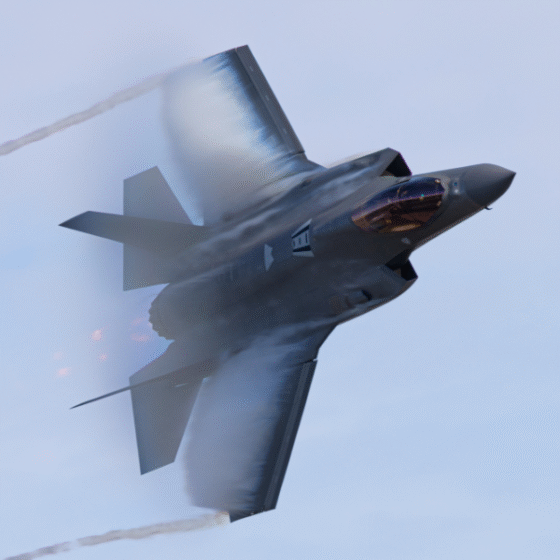
The same forces power a jet plane, the washing power of our machines, and the ocean. If you’ve ever been to our Bemidji laundromat, you’ve likely noticed how the washing machine spins with such power and how the dryer seems to generate so much heat. What’s going on inside those machines that makes them so effective at cleaning and drying? And, more importantly, what can you do to keep your washing machine and dryer running for years to come? The answer lies in understanding the forces and heat involved, along with a few simple tips for prolonging the life of your machines.

G-Forces at work inside a washing machine.
When you step into your laundromat and toss your clothes into a washing machine, it may seem like a simple task—but the science of G-forces at work is pretty incredible. G-forces are the forces of acceleration that you experience when an object speeds up or slows down. In the case of the washing machine, the drum spins at incredibly high speeds, creating a significant G-force.
-
How G-Forces Help Clean Clothes: As the washing machine spins during the wash and spin cycles, it creates high G-forces that mimic the same force you feel when you step into a car that accelerates quickly. This high-speed spinning increases the force of water against the fabric, allowing it to penetrate deeply into the fibers of your clothes and loosen dirt more effectively.
-
The faster the spin, the stronger the G-force, which helps get rid of excess water in your clothes and speeds up drying time.
-
-
G-Forces and Stain Removal: Think of G-forces as an extra set of hands working to scrub and clean your clothes. Just like how a washing brush applies pressure to dirt when scrubbing, the centrifugal force generated during high-speed spins forces water and detergent through the fabric fibers, pushing dirt and stains out. This makes your laundry experience more effective and saves you time and energy.
-
Practical Tip: Don’t overload the washing machine. Overloading limits the G-forces that help clean clothes. When the drum is too full, it has a harder time spinning fast enough, and your clothes won’t be cleaned as thoroughly. So, give your machine some space to let those G-forces work their magic.
Heat in the Dryer: The Quickest Drying Time Possible
Now let’s talk about the dryer. The heat produced inside the dryer is essential for turning water into vapor and drying your clothes quickly. But have you ever wondered how the dryer manages to generate so much heat, and why it works so efficiently?
Heat and Evaporation: When you place your clothes into the dryer, they’re damp from the washing machine. The heat inside the dryer speeds up the molecular vibration in the fabric, causing the water molecules in your clothes to gain energy and break free into the air as vapor.
The hotter the air in the dryer, the faster this process happens. It’s like boiling water in a kettle—the more heat you add, the quicker the water turns into steam. That’s why your clothes dry so fast in the dryer!
Heat and Fabric Care: While heat is essential for drying, it’s also important to control the temperature. Too much heat can damage the fabric fibers, causing them to break down over time. Lower heat settings are gentler on delicate fabrics, like cotton and wool, while higher heat is better for towels or heavier fabrics.
The dryer uses thermal energy to quickly dry your clothes, but knowing when to turn down the heat can keep your fabrics intact longer.
Practical Tip: Always check your dryer settings. For delicate or lightweight fabrics, opt for low or medium heat to prevent shrinkage and wear. For towels or heavier items, use higher heat to ensure they dry completely.
How Folding Clothes Keeps Your Washer and Dryer Working Longer
If you’re like most people, you’re probably looking for ways to make your laundry routine more efficient and extend the life of your washer and dryer. Here’s an often-overlooked tip: folding clothes properly can actually help keep your machines in great working condition.
Less Stress on the Machine: When you load your laundry into the washing machine, try to fold or organize clothes before putting them in. When clothes are tightly bunched or wadded up, it can make it harder for the washing machine to perform its G-force action effectively. It’s like trying to scrub a dirty surface with a wadded-up towel versus spreading it out for better cleaning—more surface area equals more effective cleaning
Similarly, in the dryer, clothes that are tangled or crumpled take longer to dry and can even cause excess wear and tear on the machine’s motor. By folding clothes before putting them in the dryer, you help reduce the strain on the dryer’s mechanisms, allowing the heat and airflow to work more efficiently.
Balanced Loads: Folding clothes in a way that evenly distributes weight helps the washing machine and dryer stay balanced. When you toss clothes in haphazardly, you risk creating an unbalanced load, especially during the spin cycle, where the washing machine creates high G-forces. If the load is off-center, it can cause the machine to wobble or make excessive noise. This added strain could eventually wear down the machine faster.
Similarly, evenly folded clothes in the dryer ensure a balanced drying process. The dryer drum will spin smoothly, drying clothes faster and more evenly. Practical Tip: Fold your clothes before loading them into the washing machine or dryer to maintain balance and reduce wear on the machines. This small change will help your machines run smoother and last longer, keeping your laundry routine efficient and cost-effective.
Understanding the forces behind your washing machine and dryer can help you use them more effectively, while also prolonging their life. From the G-forces that create the powerful spin cycles to the heat that speeds up evaporation, these forces work together to make your laundry experience quicker and more efficient.
By knowing how to use these machines to their fullest potential—and taking small actions like folding your clothes properly—you can not only get cleaner clothes but also help your washer and dryer last longer. A little understanding of the science behind the machines goes a long way in saving time, money, and energy.
So, the next time you head to your local laundromat, take a moment to appreciate the power of the forces at work in your machines. And don’t forget to fold your clothes—they’ll thank you, and so will your washing machine and dryer!
Ready to keep your laundry routine running smoothly? Visit your nearest laundromat and put these tips to work today! Your washer and dryer will thank you.